
6 Leading Factors That Cause Dry Eyes
By Kim Burrell, DO | November 25, 2026
Understanding the various factors that contribute to dry eyes is critical for effective prevention and treatment. This article delves into the leading causes, exploring both environmental and biological influences. By exploring these contributing factors, we can create more targeted interventions for those affected by dry eyes, improving their quality of life. It is essential for healthcare providers to recognize the diverse range of triggers to provide comprehensive care. This article breaks down the primary categories and causes behind dry eyes that impact millions globally.
1. Exposure to Harsh Environmental Pollutants and Climate Conditions
Environmental influences are significant contributors to the rising number of dry eye cases. Climate and weather conditions, for instance, play a vital role, with arid or extremely cold environments exacerbating symptoms. Air pollution, particularly in urban areas, contributes significantly to dry eyes, as indicated in studies noting higher prevalence in cities like Chicago and New York City. High levels of pollutants and allergens in the air can compound the problem by irritating the ocular surface. Additionally, artificial environments controlled by air conditioning and heating systems further dry the air, leading to decreased humidity levels that patients are continuously exposed to, escalating their symptoms.
Pollutants and allergens present in the environment can also lead to dry eyes. These particulates irritate the eyes, challenging the body’s natural tear production and protection mechanisms. Unsurprisingly, areas with higher levels of air pollution have greater incidences of dry eye cases. According to the American Academy of Ophthalmology, a study of U.S. military veterans revealed that areas with considerable pollution, such as Chicago and New York City, reported significantly higher dry eye diagnoses compared to less polluted regions. Mitigating exposure to these irritants, when possible, can alleviate some of the burdens on the ocular surface.
2. Natural Aging and Post-Menopausal Hormonal Shifts
The natural aging process is a prevalent factor in developing dry eye syndrome. As individuals age, several physiological changes occur, including diminished tear production. Tear glands become less efficient over time, leading to insufficient lubrication and protection of the eyes. This condition is particularly common in those over the age of 50, marking age as a prominent risk factor. Reduced tear production in older adults necessitates targeted interventions, such as the use of artificial tear products to supplement their natural tears.
Post-menopausal changes can further exacerbate dry eye symptoms in older women. Hormonal fluctuations significantly impact tear production, and the decline in estrogen levels during menopause can lead to decreased tear secretion. This hormonal shift results in thinner tear films that break apart more easily, leaving the eyes vulnerable to environmental irritants. Such physiological changes underscore the importance of considering hormonal treatments or alternative therapies for post-menopausal women experiencing dry eye symptoms. Addressing these changes is crucial to providing effective relief for this demographic.
3. Everyday Dietary Habits and Personal Lifestyle Choices
Lifestyle choices profoundly affect the incidence and severity of dry eye syndrome. Nutrition is a critical factor, as diets lacking in omega-3 fatty acids can lead to inflammation and poor tear quality. Consuming a balanced diet rich in essential nutrients supports eye health and reduces the risk of developing dry eye symptoms. Adequate hydration is also crucial, as water intake affects tear production and overall bodily functions. Encouraging individuals to adopt healthier dietary habits is a fundamental strategy in managing lifestyle-related dry eye cases.
Additionally, smoking and alcohol use are detrimental behaviors that exacerbate dry eye conditions. Smoking introduces toxic chemicals that irritate the eyes, contributing to inflammation and tear film instability. Alcohol, known for its dehydrating effects, further compounds this problem by reducing aqueous tear production. Both behaviors negatively impact overall health, and minimizing their use can significantly improve ocular surface health and reduce dry eye symptoms. Efforts to promote smoking cessation and moderate alcohol consumption can play an essential role in reducing dry eye prevalence.
4. Underlying Autoimmune Disorders and Chronic Medical Conditions
Several medical conditions are known to increase the likelihood of developing dry eye syndrome. Autoimmune disorders, such as Sjögren’s syndrome, rheumatoid arthritis, and lupus, are common culprits, as they inherently involve systemic inflammation that affects tear production. These conditions often target the glands responsible for tear secretion, leading to chronic dry eye symptoms. Identifying and managing underlying autoimmune disorders is crucial for effectively addressing dry eye issues related to these medical conditions.
Diabetes is another common condition associated with dry eyes. This disease can cause neuropathy and decreased tear secretion, impairing the ability of the eyes to maintain their protective tear film. Poor blood sugar control exacerbates this problem, often resulting in chronic dry eye symptoms. Effective diabetes management, including monitoring blood glucose levels and maintaining a healthy lifestyle, is essential in mitigating dry eye issues. Targeted interventions for diabetic patients can improve their ocular surface health substantially.
5. Daily Prescription Medications and Over-the-Counter Allergy Treatments
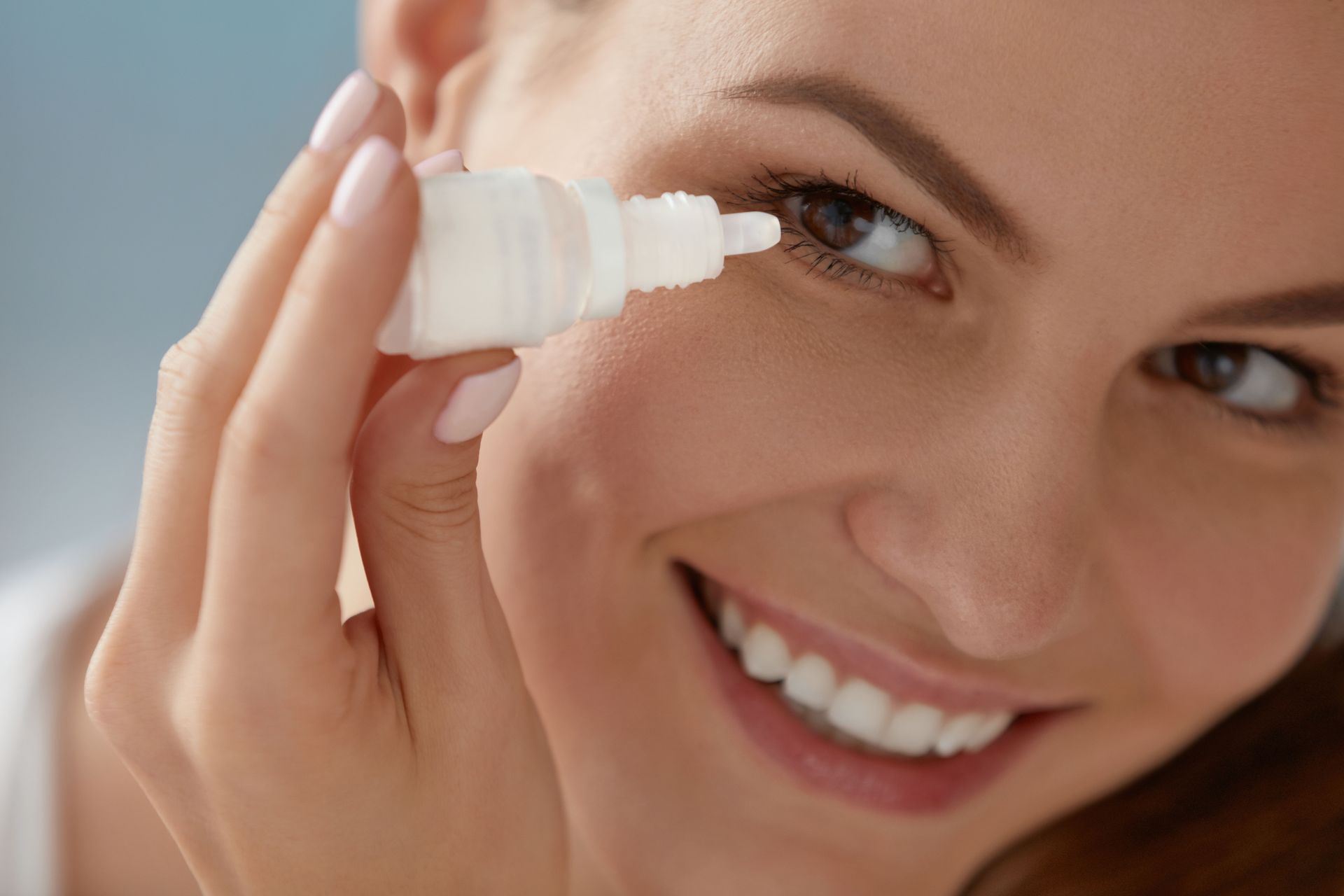
Certain medications are notorious for their role in causing or exacerbating dry eye syndrome. Antihistamines, commonly used for allergy relief, are known to decrease tear production, leading to dryness and discomfort. While antihistamines alleviate allergy symptoms, they can inadvertently contribute to the development of dry eyes in susceptible individuals. Balancing medication use with additional protective measures, such as using artificial tears, is vital to counteract these side effects.
Antidepressants, often prescribed for mental health conditions, also affect tear secretion. These medications, particularly tricyclic antidepressants and SSRIs, can reduce blinking rate and tear production, increasing the risk of dry eyes. Patients on these medications require close monitoring for dry eye symptoms, and clinicians should consider alternative treatment options if symptoms arise. Ensuring that mental health treatments do not aggravate ocular discomfort is essential for comprehensive patient care. Patients should be encouraged to report any new or worsening symptoms to their healthcare provider promptly.
6. Prolonged Digital Screen Time and Occupational Demands
Occupational factors significantly contribute to the development of dry eye symptoms in many individuals. High-risk professions, such as those involving extensive screen time or environmental exposure, can exacerbate dry eye conditions. Those working in these environments must implement protective strategies, such as regular breaks and eye exercises. Ergonomic practices, including appropriate screen placement and optimal lighting, can also help minimize ocular strain. By addressing occupational risks methodically, employees can reduce the impact of work-related dry eye symptoms.
Prolonged computer use at work is a growing concern, particularly as more individuals engage in digital-heavy roles. Computers and other digital screens can decrease blinking rate, leading to increased tear evaporation and dry eye symptoms. Incorporating the 20-20-20 rule, which suggests taking breaks every 20 minutes to look at an object 20 feet away for 20 seconds, can help alleviate the strain. Additionally, using specialized eyewear designed to reduce screen glare can benefit those who spend long hours in front of a computer. Employers can support their workforce by encouraging these practices to promote eye health.
Each factor significantly contributes to the prevalence of dry eyes. Understanding these causes allows individuals and medical professionals to develop more targeted strategies to alleviate and manage dry eye symptoms efficiently. By addressing both environmental and biological influences, those affected can take meaningful steps towards relieving discomfort and improving their overall ocular health. Effective management and prevention require a comprehensive approach that considers all contributing factors to tailor interventions appropriately. As awareness grows, dry eye syndrome can be better managed, paving the way for improved quality of life for millions worldwide.
Find lasting relief from dry, irritated eyes and protect your long-term vision health by contacting Centennial Eye & Cosmetics Associates today to schedule your comprehensive dry eye evaluation!



Share On: